
Other Harmful Substances
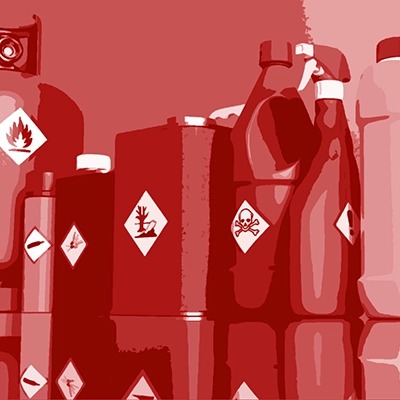
Some common household and industrial products are sometimes misused to get high, but this practice is extremely dangerous. Products such as paint, solvents, gasoline, glue, aerosol sprays, and ether release chemical vapors that can quickly deprive the brain of oxygen and damage the heart, lungs, liver, kidneys, and nervous system. Even a single use can cause seizures, sudden heart failure, coma, or death—a risk often called sudden sniffing death. For teens, whose brains and bodies are still developing, these substances can cause long‑lasting brain injury, memory and learning problems, and increased risk of addiction and mental health disorders.
Understanding that these products are not drugs but poisons when misused highlights how unpredictable and life‑threatening inhalant use can be.
- Inhalants | National Institute on Drug Abuse (NIDA)
Explains what inhalants are, why they are especially dangerous, the health risks (including sudden sniffing death), and why youth are at higher risk due to brain development. - Inhalants | HealthyChildren.org
A clear look at inhalants written for parents from the American Academy of Pediatrics. - Inhalants | MedlinePlus (U.S. National Library of Medicine)
Offers easy‑to‑read health information about inhalants, symptoms of misuse, short‑ and long‑term health effects, and when to seek medical help. - Poison Control – Inhalants and Chemical Exposure
Provides safety information about household and industrial chemical exposure, warning signs of inhalant misuse, and what to do in an emergency, including access to 24/7 help. - Teens and Inhalants | Nemours KidsHealth
Offers youth‑ and parent‑friendly explanations of inhalant dangers, how these substances damage the brain and body, and how to talk with teens about prevention.