
Illicit Substances
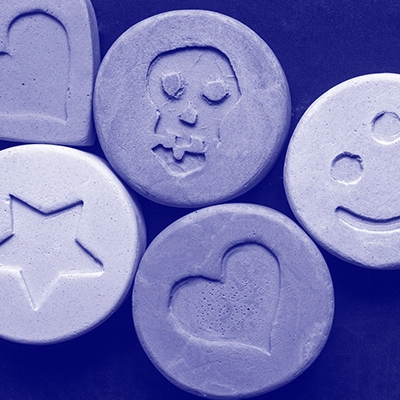
Illicit and street drugs are substances that are illegal to possess, make, or sell, and they carry serious and unpredictable risks. Drugs such as cocaine, heroin, methamphetamine, MDMA, and illegally manufactured pills often contain unknown or changing ingredients, making their effects especially dangerous. These drugs can damage the brain, heart, lungs, and other organs, and they are strongly linked to addiction, mental health disorders, overdose, and death.
For teens and young adults, illicit drug use can interfere with brain development, impair learning and judgment, and increase the likelihood of long‑term substance use problems. Understanding the risks of street drugs—including their unpredictability and lack of quality control—helps people recognize why even trying them can have life‑altering consequences.
Stimulants
These drugs speed up the central nervous system. Cocaine, methamphetamine, and Ecstasy (MDMA) are some commonly used stimulants. Rapid heart rates, increased blood pressure, overheating, paranoia, anxiety, addiction, heart attack, and stroke are risks associated with stimulant misuse.
General information
- CDC – Overdose Prevention & Stimulants
https://www.cdc.gov/overdose/prevention - NIDA – Drugs of Abuse (Plain‑Language)
https://nida.nih.gov/research-topics/drugs-abuse - SAMHSA – Substance Use & Treatment Locator
https://findtreatment.gov [nida.nih.gov]
Commonly Abused Stimulants
Cocaine
- CDC – Cocaine & stimulant overdose prevention
Stimulants Overview (CDC) - National Institute on Drug Abuse (NIDA) – Cocaine research and health effects
NIDA: Cocaine DrugFacts)
Methamphetamine
- NIDA – Methamphetamine: effects, risks, and treatment
Methamphetamine (NIDA) - CDC – Stimulant overdose risks and trends
CDC Stimulant Overdose Prevention
Prescription Amphetamines
- FDA – Prescription stimulants and misuse warnings
FDA: Stimulant Use Disorder - CDC – Prescription stimulant misuse overview
CDC: Stimulants Guide
Methylphenidate (e.g., Ritalin®, Concerta®)
- DEA – Stimulant drug fact sheet
DEA: Stimulants – External PDF - Yale Medicine – Stimulant use disorder overview
Yale Medicine: Stimulant Use Disorder
MDMA (Ecstasy / Molly)
- CDC – Stimulants and overdose prevention
CDC: Stimulants - Yale Medicine – MDMA and stimulant risks
Stimulant Use Disorder Facts
Synthetic Cathinones
- DEA – Synthetic stimulant overview
DEA: Stimulants Fact Sheet – External PDF - NIDA – Emerging synthetic drugs and health impacts
NIDA: Stimulant Research
Depressants
Depressants slow brain and body functions and carry real risks when misused, especially at high doses or when combined with other substances. While some depressants have legitimate medical uses, non‑medical use can lead to addiction, dangerous withdrawal, overdose, and death.
General Information
- National Institute on Drug Abuse (NIDA) – Drug education for the public
https://nida.nih.gov - Drug Enforcement Administration (DEA) – Drug fact sheets
https://www.dea.gov/factsheets – External PDF [dea.gov] – External PDF - SAMHSA – Treatment locator and helpline
https://findtreatment.gov
Commonly Abused Depressants
Alcohol
Alcohol is the most commonly used and abused depressant. While legal for adults, misuse increases the risk of injury, addiction, liver disease, and overdose—especially when combined with other depressants.
- National Institute on Alcohol Abuse and Alcoholism (NIAAA) – Alcohol facts and risks
https://www.niaaa.nih.gov/alcohols-effects-health - CDC – Alcohol and public health
https://www.cdc.gov/alcohol [adf.org.au]
Benzodiazepines (e.g., Xanax®, Valium®, Ativan®, Klonopin®)
Prescription medications used for anxiety, panic disorders, and insomnia. Misuse can lead to dependence, memory problems, and life‑threatening respiratory depression—especially when mixed with alcohol or opioids. [dea.gov], [nida.nih.gov]
- NIDA – Benzodiazepines and overdose risk
https://nida.nih.gov/research-topics/opioids/benzodiazepines-opioids [nida.nih.gov] - DEA – Benzodiazepines fact sheet
https://www.dea.gov/factsheets/depressants [dea.gov]
Barbiturates (e.g., phenobarbital, secobarbital)
Older sedative medications once commonly prescribed for sleep and seizures. Today they are less frequently used due to high overdose risk and are sometimes misused illegally. [dea.gov], [dea.gov]
- DEA – Barbiturates overview
https://www.dea.gov/factsheets/depressants [dea.gov] - NIDA – Commonly abused prescription drugs chart
https://nida.nih.gov/sites/default/files/cadchart.pdf [nida.nih.gov]
Prescription Sleep Medications (e.g., Ambien®, Lunesta®, Sonata®)
Sedative‑hypnotics prescribed for insomnia. Misuse can cause memory loss, impaired coordination, and overdose, especially when combined with alcohol or other sedatives. [shcs.ucdavis.edu], [dea.gov]
- DEA – CNS depressants and sleep medications
https://www.dea.gov/factsheets/depressants [dea.gov] - GoodRx – What are sedatives? (plain‑language)
https://www.goodrx.com/conditions/sedation/what-are-sedatives [goodrx.com]
Gamma‑Hydroxybutyrate (GHB) and Rohypnol®
Powerful depressants sometimes misused for their sedating effects. Both are associated with memory loss, unconsciousness, and have been implicated in drug‑facilitated sexual assault. Overdose risk is high. [dea.gov]
- DEA – GHB and Rohypnol information
https://www.dea.gov/factsheets/depressants [dea.gov] - NIDA – Drugs of abuse overview
https://nida.nih.gov/research-topics/drugs-abuse [nida.nih.gov]
Opioids
Opioids are used to relieve pain. They include prescription pain medications (such as oxycodone and hydrocodone) as well as illegal drugs (such as heroin). While opioids can be effective for short‑term pain management when used as prescribed, misuse can quickly lead to tolerance, physical dependence, and addiction. All opioids can slow or stop breathing, making overdose a serious and potentially fatal risk—especially when taken in high doses or mixed with other substances like alcohol, benzodiazepines, or illicitly manufactured fentanyl.
General Information
- National Institute on Drug Abuse (NIDA): https://nida.nih.gov
- CDC – Overdose Prevention: https://www.cdc.gov/overdose-prevention
- SAMHSA Treatment Locator: https://findtreatment.gov
Commonly Abused Opioids
Heroin
An illegal opioid made from morphine. Heroin is highly addictive and carries a high risk of overdose, particularly because illicit heroin is often mixed with fentanyl without the user’s knowledge.
- National Institute on Drug Abuse (NIDA) – Heroin overview
https://nida.nih.gov/research-topics/heroin - CDC – Understanding the opioid overdose epidemic
https://www.cdc.gov/overdose-prevention/about/understanding-the-opioid-overdose-epidemic.html
Fentanyl
A synthetic opioid up to 50–100 times more potent than morphine. While legally prescribed for severe pain, illegally manufactured fentanyl is now the leading cause of opioid overdose deaths due to its extreme potency and presence in the illicit drug supply.
- NIDA – Fentanyl drug facts
https://nida.nih.gov/research-topics/fentanyl - CDC – Preventing opioid overdose
https://www.cdc.gov/overdose-prevention/prevention/index.html
Oxycodone (e.g., OxyContin®, Percocet®)
A prescription opioid commonly used for moderate‑to‑severe pain. Misuse increases the risk of addiction and overdose and has played a major role in the opioid crisis
- CDC – About prescription opioids
https://www.cdc.gov/overdose-prevention/about/prescription-opioids.html - NIDA – Prescription opioid information
https://nida.nih.gov/research-topics/opioids/prescription-opioids
Hydrocodone (e.g., Vicodin®, Norco®)
Another commonly prescribed opioid pain medication. Even when prescribed, long‑term or improper use can lead to dependence and opioid use disorder.
- CDC – Prescription opioid risks and safety
https://www.cdc.gov/overdose-prevention/about/prescription-opioids.html - DEA – Opioids (narcotics) fact sheet
https://www.dea.gov/sites/default/files/2025-01/Narcotics-Drug-Fact-Sheet.pdf
Morphine
A natural opioid derived from the opium poppy and commonly used in hospitals for severe pain. Misuse can result in breathing suppression and overdose.
- NIDA – Opioids overview
https://nida.nih.gov/research-topics/opioids - DEA – Opioids (narcotics) overview
https://www.dea.gov/sites/default/files/2025-01/Narcotics-Drug-Fact-Sheet.pdf
Methadone
A long‑acting synthetic opioid used both for pain relief and as a treatment for opioid use disorder. When misused or taken outside medical supervision, it carries a high overdose risk due to its long duration of action.
- SAMHSA – Opioid use disorder facts
https://library.samhsa.gov/sites/default/files/opioid-use-disorder-facts.pdf - NIDA – Medications for opioid use disorder
https://nida.nih.gov/research-topics/medications-opioid-use-disorder
Buprenorphine (e.g., Suboxone®, Subutex®)
A prescription opioid used to treat opioid use disorder and reduce overdose risk. While much safer than full opioids, it can still be misused if taken inappropriately.
- NIDA – Buprenorphine and OUD treatment
https://nida.nih.gov/research-topics/medications-opioid-use-disorder
Hallucinogens
Hallucinogens are drugs that alter perception, mood, and sensory experiences, sometimes causing people to see, hear, or feel things that are not real. They can come from plants, fungi, or be made synthetically. Although some hallucinogens are being studied in controlled medical settings, non‑medical use is unpredictable and can be dangerous, with risks that vary by dose, environment, and a person’s mental health. Potential harms include panic, severe anxiety, impaired judgment, accidents, long‑lasting psychological effects, and, in some cases, ongoing perceptual disturbances or psychosis. The risk of harm increases when hallucinogens are mixed with other substances or used in products of unknown strength or contents.
General Information
- National Institute on Drug Abuse (NIDA) – Psychedelic and dissociative drugs
https://nida.nih.gov/research-topics/psychedelic-dissociative-drugs - Drug Enforcement Administration (DEA) – Hallucinogens fact sheets
https://www.dea.gov/factsheets/hallucinogens - MedlinePlus (NIH) – Consumer health information
https://medlineplus.gov/druginformation.html
Commonly Abused Hallucinogens
LSD (Lysergic Acid Diethylamide)
A powerful synthetic hallucinogen often sold on small pieces of paper (“blotter”). LSD can cause intense hallucinations and emotional swings, with effects lasting 8–12 hours or longer.
- National Institute on Drug Abuse (NIDA) – LSD and hallucinogens
https://nida.nih.gov/research-topics/psychedelic-dissociative-drugs - DEA – Hallucinogens fact sheet
https://www.dea.gov/factsheets/hallucinogens
Psilocybin (“Magic Mushrooms”)
A naturally occurring hallucinogen found in certain types of mushrooms. Effects may include visual distortions, altered thinking, nausea, and anxiety; potency can vary widely between products.
- NIDA – Psilocybin (magic mushrooms)
https://nida.nih.gov/research-topics/psychedelic-dissociative-drugs - DEA – Hallucinogens overview
https://www.dea.gov/factsheets/hallucinogens
MDMA (Ecstasy / Molly)
A synthetic drug that acts as both a hallucinogen and stimulant. MDMA can increase energy and emotional closeness but also raises the risk of dehydration, overheating, heart problems, and long‑term mood or memory issues.
- NIDA – MDMA (Ecstasy/Molly)
https://nida.nih.gov/research-topics/mdma-ecstasy-molly - DEA – MDMA and hallucinogens
https://www.dea.gov/factsheets/hallucinogens
Mescaline
A naturally occurring hallucinogen found in certain cacti. Mescaline can cause long‑lasting hallucinations, nausea, and changes in perception that may last up to 12 hours or more.
- NIDA – Hallucinogens and dissociative drugs
https://nida.nih.gov/research-topics/psychedelic-dissociative-drugs - DEA – Hallucinogens fact sheet
https://www.dea.gov/factsheets/hallucinogens
PCP (Phencyclidine)
A synthetic dissociative hallucinogen that can cause hallucinations, distorted reality, aggression, and dangerous behavior. High doses can lead to seizures, coma, or life‑threatening breathing problems.
- NIDA – Hallucinogens and dissociative drugs
https://nida.nih.gov/research-topics/psychedelic-dissociative-drugs - DEA – PCP and hallucinogens
https://www.dea.gov/factsheets/hallucinogens
Ketamine
A dissociative drug used medically as an anesthetic but sometimes misused recreationally. Non‑medical use can cause detachment from reality, impaired movement, and, at high doses, slowed breathing or unconsciousness.
- NIDA – Ketamine information
https://nida.nih.gov/research-topics/psychedelic-dissociative-drugs - DEA – Hallucinogens overview
https://www.dea.gov/factsheets/hallucinogens
Salvia divinorum
A plant‑based hallucinogen that can cause intense but short‑lived hallucinations and loss of control. Users may experience confusion, panic, or unsafe behavior during use.
- NIDA – Hallucinogens and dissociative drugs
https://nida.nih.gov/research-topics/psychedelic-dissociative-drugs - DEA – Hallucinogens fact sheet
https://www.dea.gov/factsheets/hallucinogens
Dissociative Drugs
Dissociative drugs are substances that disrupt perception and create feelings of detachment from one’s body, thoughts, emotions, or surroundings. They can cause altered senses, confusion, loss of coordination, and a distorted sense of reality. While some dissociative drugs have approved medical uses in controlled settings, non‑medical use is unpredictable and can be dangerous. Risks include panic, impaired judgment, accidents, aggressive or risky behavior, slowed breathing, and, with repeated or high‑dose use, lasting cognitive or mental health problems such as memory impairment or psychosis. The risk of serious harm increases when dissociative drugs are mixed with other substances or taken in products of unknown strength or contents.
General Information
- National Institute on Drug Abuse (NIDA) – Psychedelic and Dissociative Drugs
Plain‑language explanations of dissociative drugs (such as PCP and ketamine), their effects, risks, and current research.
https://nida.nih.gov/research-topics/psychedelic-dissociative-drugs - Drug Enforcement Administration (DEA) – Hallucinogens & Dissociative Drugs Fact Sheet
Overview of dissociative drugs, how they are used, physical and psychological effects, overdose risks, and legal status.
https://www.dea.gov/factsheets/hallucinogens - MedlinePlus (NIH) – Drug Information
Consumer‑friendly health information on drugs and substances, including dissociative drugs and related health effects.
https://medlineplus.gov/druginformation.html
Synthetic or Novel Drugs
Non‑opioid synthetic and novel substances include drugs such as xylazine, nitazenes (often mistaken for opioids but chemically distinct), synthetic cathinones (“bath salts”), synthetic cannabinoids, and novel benzodiazepine‑like sedatives. These substances are often added to or sold as other drugs without users’ knowledge, making them especially dangerous. Public‑health authorities warn that these drugs can cause severe medical emergencies, including sedation, cardiac complications, psychosis, skin wounds (in the case of xylazine), and fatal overdoses—often because users do not know what they are taking or how potent it is.
- National Institute on Drug Abuse (NIDA) – Synthetic & Emerging Drugs
NIDA offers clear, nontechnical explanations of emerging drugs like synthetic cannabinoids and “bath salts,” including how they affect the body and why they are risky. Content is specifically written for educators, parents, and the general public, not clinicians.
NIDA: Emerging Drug Trends - Centers for Disease Control and Prevention (CDC) – Xylazine (“Tranq”) Information
The CDC provides easy‑to‑understand explanations of xylazine, a non‑opioid sedative increasingly found in the illicit drug supply. The site explains what it is, why it is dangerous, and why it complicates overdose response, using plain language and public‑health framing.
CDC: Xylazine Information - United Nations Office on Drugs and Crime (UNODC) – New Psychoactive Substances Overview
UNODC’s public overview pages explain non‑opioid synthetic drugs in simple terms, emphasizing why substances like synthetic cathinones and novel sedatives are unpredictable and harmful. The tone is educational rather than academic.
UNODC: What Are New Psychoactive Substances? - Center for Forensic Science Research & Education (CFSRE) – Public Alerts (Plain‑Language Summaries)
CFSRE publishes alerts when new substances—such as novel benzodiazepines, synthetic cathinones, or xylazine‑adulterated drugs—are linked to overdoses. While lab science is behind the data, the alerts themselves are written to be understandable to the general public and community organizations.
CFSRE: NPS Public Alerts - Public Health Center – Synthetic Drugs & “Bath Salts”
This consumer‑oriented site explains synthetic cathinones (“bath salts”) and related non‑opioid synthetics using everyday language. It focuses on myths (such as “legal” or “safer”), warning signs, and health risks rather than chemistry.
Public Health Center: Synthetic Drugs - This Week in Public Health – Explainers on Emerging Synthetic Drugs
Provides readable, narrative‑style articles that translate current public‑health data into everyday language. Their coverage of synthetic cathinones and novel sedatives is aimed at public understanding, not professional training.
The Rise of New Synthetic Drugs